


Beyond the Tudor Lodge: Exploring Derbyshire's Countryside After a Day at Manor Lodge
An afternoon after Sheffield Manor Lodge can take you into a very different countryside, where limestone dales, river valleys and dry stone walls replace the parkland and ruins of the city's edge. The change is quick to reach and rewarding for anyone who wants to finish the day with a gentle walk rather than a demanding climb.
This guide suggests ways to continue the day in Derbyshire without overreaching. It emphasises short routes, villages and river paths, and it notes where a relaxed pace suits better than a long hill day. The aim is an easy end to a heritage day rather than a second full itinerary, so the walks are kept short enough to enjoy at the end of a busy morning.
Limestone Dales and the White Peak
The White Peak is the limestone part of the national park, and its dales are some of the most attractive walking routes in the region. Dovedale is the best known, with a river that runs between steep sides and a route that passes through a series of stepping stones. The path can be busy at weekends, so an afternoon start helps you enjoy the quieter stretches. Limestone scenery looks different from the gritstone edges, with pale rock, caves and sudden drops that appear without warning.
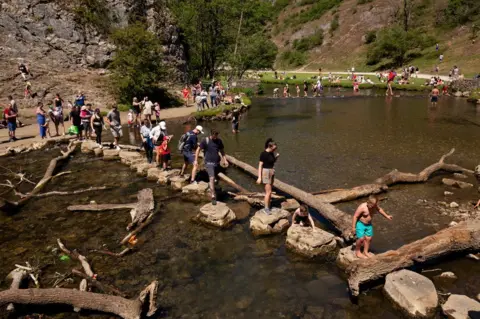
Dales are shaped by water and rock, and the change in the landscape is visible within a short walk. Look for outcrops, caves and the way the valley bends. Stick to the marked path, and take care on the stones, which can be slippery after rain even in summer. Keep children close on the steeper sections, and remember that the river can rise quickly after heavy rain.
Many of the dales are important for wildlife, including plants that grow only on thin limestone soils. Staying on the path protects these delicate areas and keeps the walk pleasant for everyone who follows. A slow walk with a field guide or a phone app can reveal more than a quick stroll ever will.
Dry Stone Walls and Farmland
Dry stone walls are one of the defining features of the Derbyshire countryside. Built without mortar, they divide fields, guide walkers and shelter livestock, and skilled repairs keep them standing for generations. Walking along a wall-lined lane gives a clear sense of how the land has been worked for centuries, and the different styles of wall reveal the local stone and the skills of the builders.
The farmland here is managed with care, and many farms take part in schemes that protect hedges, grassland and wildlife. The working landscape project on the site shows the same thinking applied to the grounds at Manor Lodge, and it is a helpful way to connect the two parts of the trip. Keep gates closed, stay on the footpath and give livestock plenty of room, since a farm is a working place as well as a view.
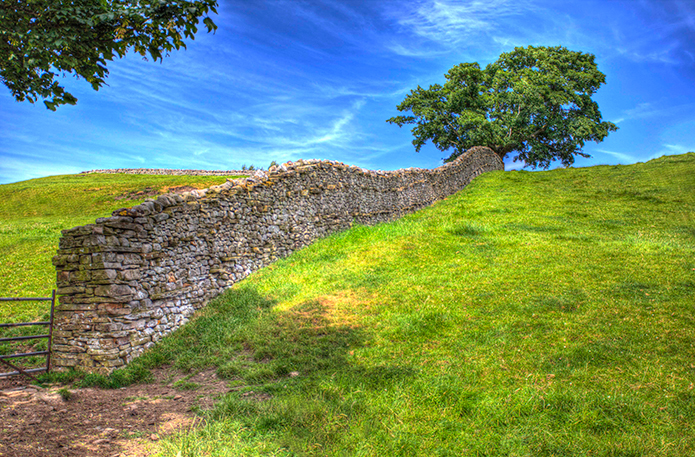
Look for stiles and gates along the route, which show where footpaths cross private land. Use them as intended, and avoid climbing over walls, which can damage the stonework and disturb the animals inside. Small acts of care make the countryside easier for everyone to enjoy.
Villages and Market Towns for a Slow Afternoon
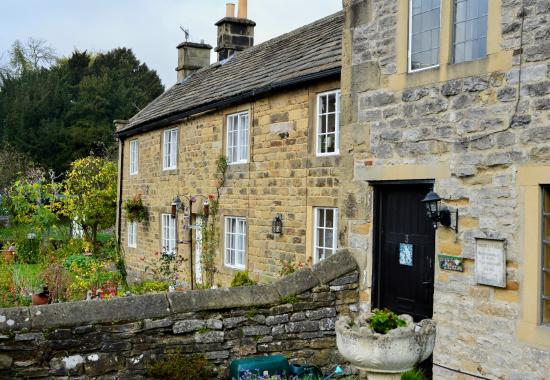
Derbyshire villages reward a slow pace. Eyam is known for its history during the plague of 1665 and 1666, when the village chose to isolate itself to limit the spread of the disease. The village church and the museum tell the story in some detail, and the stone cottages give a clear sense of the place as it was then. Spend time walking the lanes rather than rushing from one attraction to the next.
Bakewell is a market town with a convenient range of cafes and shops, and it makes a good place to end a walk. Its river and old bridges add to the appeal, and the town is well placed for a return by bus or taxi. Check opening times before you arrive, since smaller shops may close early in the afternoon, and some cafes close after the lunchtime rush.
Villages also suit a relaxed walk between two points. Choose a route that starts in one village and ends in another, and plan the bus or taxi for the return. A pub or tea room at the midpoint gives the walk a natural break, and the conversation over a cup of tea often becomes the best part of the afternoon.
Rivers, Reservoirs and Easy Paths
For a gentler option, follow a river path or a reservoir shore. The paths are generally level and well maintained, and they suit families, older visitors and anyone who would rather look than climb. The water also gives a sense of calm that complements the more active parts of a weekend, and it makes a good place to finish the afternoon with a short rest.
River paths can be muddy after rain, so choose footwear that copes with wet ground. Reservoir shores may be closed in some areas for safety or wildlife reasons, so read the notices at the start of the route. Plan a loop if you can, so that you do not have to retrace your steps in the late afternoon. Keep dogs under control near the water and near any livestock on the far bank.
Watching birds along a river path is one of the simplest pleasures in the region. Herons, dippers and wagtails are often seen near the water, and a pair of binoculars makes the walk feel more rewarding. Bring a small notebook to record what you see, which is a good habit for any visitor interested in the natural side of the landscape.
Ending the Day Well
The best end to a day in Derbyshire is one that leaves you rested and unhurried. Plan the return journey before you set off, and make sure you have enough daylight and charge for the trip. A short stop at a village cafe or a pub before the final journey gives the day a natural close, and it allows you to reflect on what you have seen.
Reflect on the day before the journey home. The morning at the manor and the afternoon in the dales show the same landscape at two scales, from the walls and grounds of a single site to the wider pattern of farms and rivers. The history overview and the discovery centre are useful places to revisit the story once you are back in the city. Many visitors find that a second visit to the manor, with the wider landscape in mind, reveals new details.
If you have time, write a short note on the day while it is fresh. Record the walks, the places you stopped, the questions that came up and the features that surprised you. These notes make a useful guide for a future trip, and they help you remember the balance between history and countryside that makes this part of England so distinctive.
Frequently Asked Questions
How much time do I need for an afternoon in Derbyshire?
Two to three hours is enough for a short dale walk and a village stop. Longer walks need more time, and the return journey should be planned in advance. Adjust the plan to the light and to the energy of the group.
Is Dovedale suitable for families?
The main path is manageable for most families, but the stepping stones and steeper sections can be difficult for young children or those with limited mobility. Choose the shorter stretches if the group includes younger walkers. Check the conditions on the day before setting out.
Are the dales open all year?
Most dale paths are open throughout the year, but some sections may close after heavy rain or for conservation work. Check local notices and the latest route information before you travel. Winter conditions can be cold and slippery, so plan accordingly.
Can I reach the dales by public transport?
Some dales can be reached by bus, particularly from the larger towns, but services are often limited on Sundays and in the evenings. Check the timetable for your day and plan the return before you leave. A taxi from a village can be a useful backup.