


From Deer Park to National Park: A Day in Sheffield's Green Spaces Before Heading to the Peak District
The journey from a medieval deer park to a national park is a useful way to read the Sheffield landscape. Sheffield Manor Lodge preserves the remains of the Great Sheffield Deer Park, where grazing land and woodland were managed for hunting and display. The city holds a series of green spaces that continue that tradition of managed land, and a day spent moving through them makes a clear lead-in to the uplands.
This guide follows a single day from the manor's grounds through the city's parks and valley paths, ending at the edge of the national park. It is written for visitors with one day to spare before a longer walk. It avoids fixed timings for individual places, since opening arrangements and footpath conditions change over time, and it points you toward the places where current information is most useful.
The Deer Park Landscape
Deer parks were enclosed areas kept for hunting, and their boundaries were often marked by a bank, a ditch or a fence. Inside the enclosure, grazing, timber and open ground were managed together, so the landscape reflected both the lord's leisure and the practical needs of the estate. Read the Sheffield Manor Lodge site with that picture in mind, and the grassy ground starts to look less like a simple lawn and more like a designed landscape.
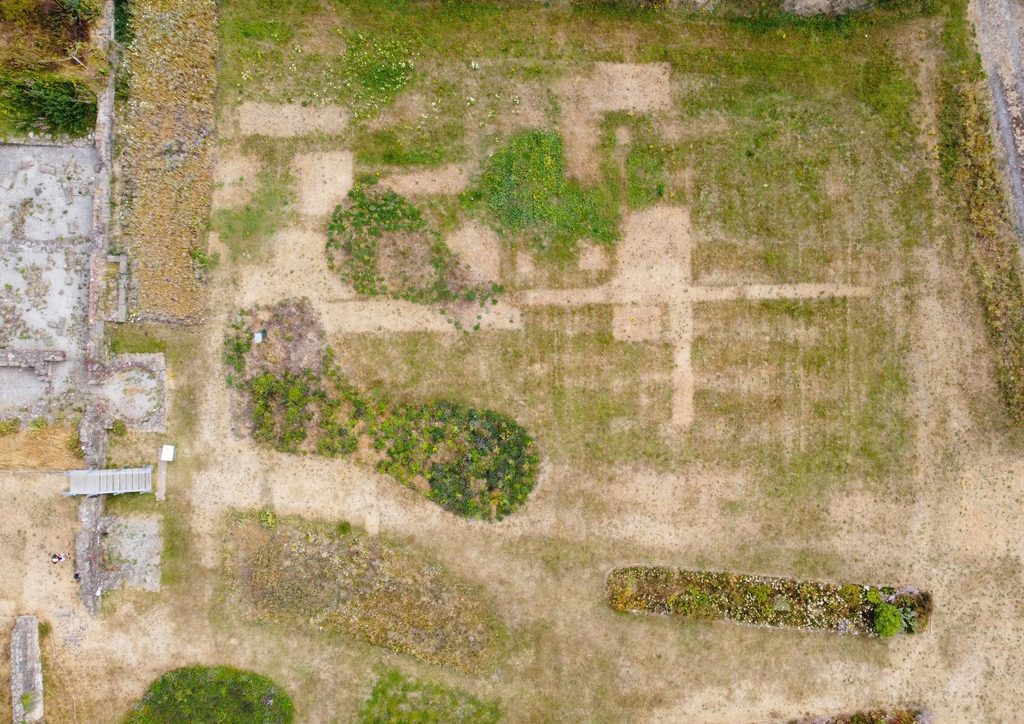
The history overview gives the timeline of the manor and the wider park, including the Saxon origins and the later Tudor building. Reading it before the walk means you can pick out features as you go, such as level changes that suggest former boundaries or routes. This small effort turns a stroll into a clearer reading of the land. Keep a notebook or a phone note open during the walk, and jot down anything that does not seem to fit the story you have read.
Deer parks were also places of display. Visitors were shown the animals, the views and the carefully kept edges of the park, which made the landscape a statement of status as much as a source of food and timber. Thinking about who was meant to see the park, and from where, changes how the ground feels as you walk across it.
Walking From the Manor Into the Green Belt
From the manor, the next stage of the day leads into the wider green belt that wraps around the built-up parts of the city. Paths here tend to be quieter than the main parks, and they show a mix of farmland, rough grass and small woods. The route is easy to navigate with a map, but it is worth carrying a printed copy or a downloaded version in case the signal drops in the lower hollows. Pick a route you can follow even if the weather is poor. The discovery centre can advise on the current paths before you leave the manor.
Keep to the marked paths and respect any notices about livestock or nesting birds. Gates should be closed behind you, and dogs should be on a lead where the signs ask for it. Small courtesies like these keep the countryside working for farmers, wildlife and walkers alike, and they make it easier for everyone to share the same routes. Walking in a small group rather than a large one is kinder to the land and to other visitors.
The green belt is also a good place to notice how the city changes at its edges. Houses give way to allotments, then to pasture and woodland, and the transition can take only a few minutes of walking. Paying attention to these edges shows how closely town and countryside are linked in this part of England.
Valley Paths and Woodland
Valley paths give a welcome change of pace. The Porter Brook and the Rivelin Valley both offer woodland walking with water running alongside, and the path surfaces are generally firm in dry weather. In wet conditions, expect muddy sections and slippery stones near the water, and take extra care on steep slopes where the path narrows. Good footwear makes a noticeable difference on these routes, even when the walk is short.
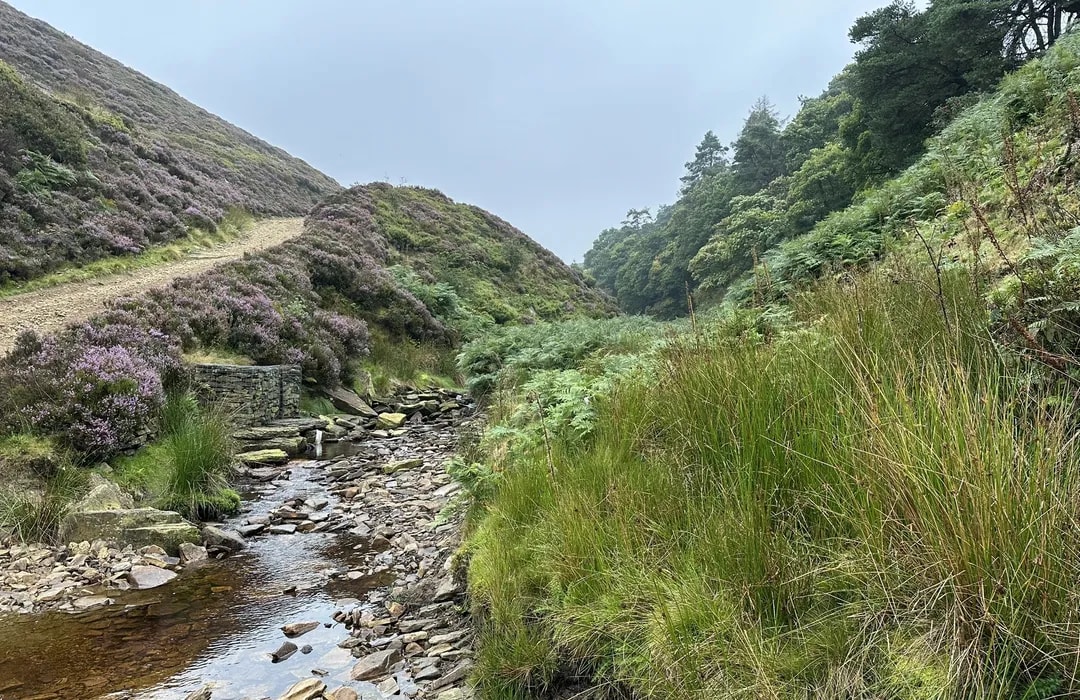
Woodland paths are a good place to slow down and notice the small things, such as the remains of old mill races, bridges worn smooth by use and the mix of trees that grows along the banks. Many of these routes link to the wider network of paths that eventually climb toward the moors, so you can choose how far to go based on your energy and the time remaining in the day. Turning back at a bridge is a perfectly good decision if the light is fading.
Valleys also collect the history of industry. Old water-powered sites, weirs and channels remain in many places, and reading them gives a second layer to the landscape that the deer park began. The contrast between the enclosed deer park and the working valley is one of the most interesting features of a day spent here.
Working Landscapes and Land Management
The idea of a working landscape is that the land continues to produce something useful while it is also protected and enjoyed. Farming, woodland management and conservation are planned together, and public access is part of the plan rather than an afterthought. The working landscape page on the site explains this approach in more detail, and it is a helpful read before you set out.
On the ground, the signs of this approach are easy to miss but worth noticing. Hedges are cut on a cycle that protects nesting birds, stone walls are repaired rather than replaced, and grassland is grazed at a rate that keeps the flora varied. Seeing these details helps visitors understand why the countryside looks the way it does, and why certain paths are kept open while others are left to grow wild.
Land management also shapes the experience of walking. Gates, stiles and waymarks are maintained for a reason, and the people who look after them often know the land better than any map. If you have questions about a route, ask at the visitor centre or at a local farm shop, since many of the people who work the land are glad to explain what they do.
Reaching the Edge of the National Park
By mid-afternoon, the city's green spaces begin to give way to open hillside, and the national park is close. Choose the final stretch to suit your energy. A short climb onto the edge can give wide views, while a gentler lane or valley route keeps the day easy. Either way, finish with enough daylight to return the same way or to travel back by bus or taxi.
The return journey deserves as much planning as the outward walk. Check the last services from the nearest stop, carry a small amount of cash or a card for transport, and keep a charged phone in case you need to book a taxi. A good end to the day leaves you rested and ready for the next stage of your trip, rather than rushing for a bus in the dark. If you are staying in Derbyshire, arrange the transfer before you leave the city.
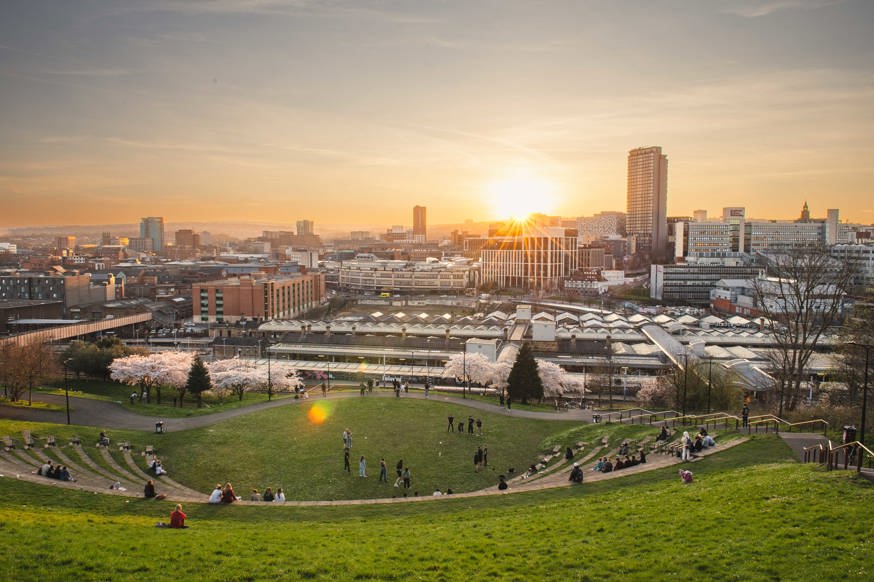
Reaching the edge of the park is also a moment to look back. From a high point you can see the city laid out below, and the manor and its deer park are often visible in the lower ground. Seeing the whole landscape at once makes the link between the medieval park and the modern national park easy to understand.
Frequently Asked Questions
How long does this day take?
The length depends on your pace, how many stops you make and the route you choose. A relaxed walk with a visit to the manor fills most of a day. Build in extra time for rests and for the return journey, especially if you plan to walk onto the moor.
Are the paths suitable for children and pushchairs?
Some valley and park paths are firm enough for pushchairs, but many woodland and moorland routes are uneven or steep. Plan a route for the least mobile member of the group, and check the surface conditions before you set out. Carrying a child in a sling can help on the steepest sections.
Do I need a car for this day?
A car is not essential, because public transport reaches many of the starting points. A car does give more flexibility for trailheads that are poorly served by buses. If you rely on public transport, plan your return before you leave the city.
What should I bring?
Wear footwear with good grip, and carry a waterproof layer even if the forecast looks dry. Bring water, a snack, a map or an offline route, and a small first aid kit. Check the weather again before you leave the city, since conditions on the edge can change quickly.