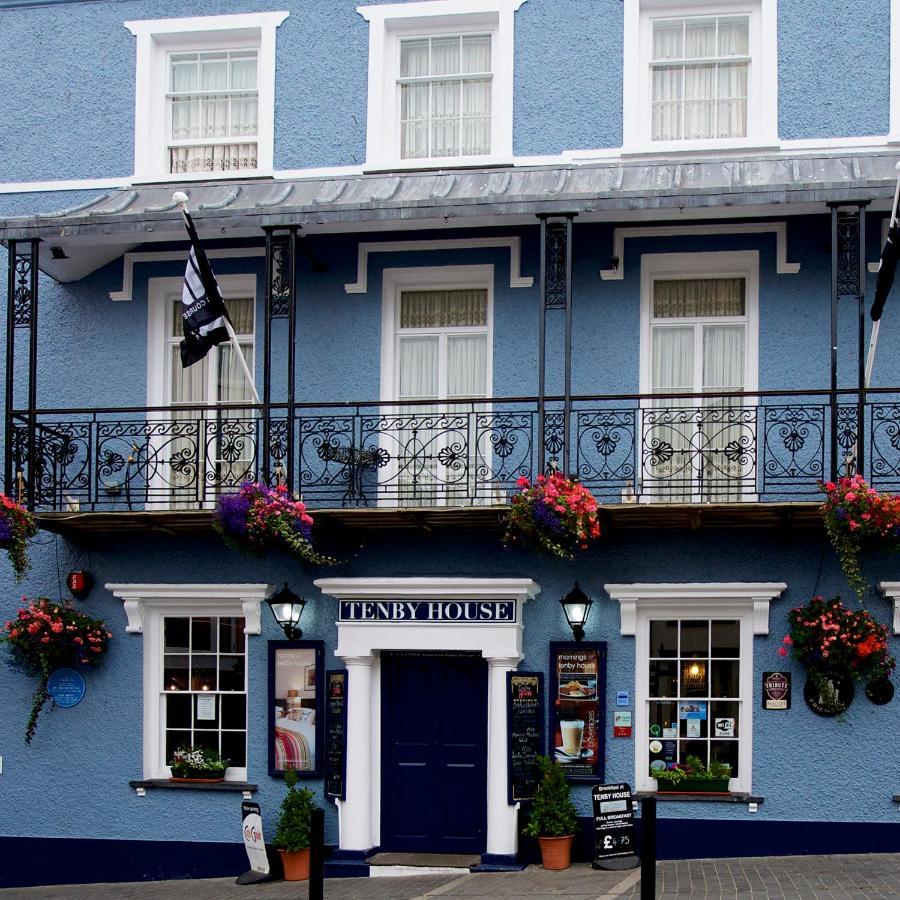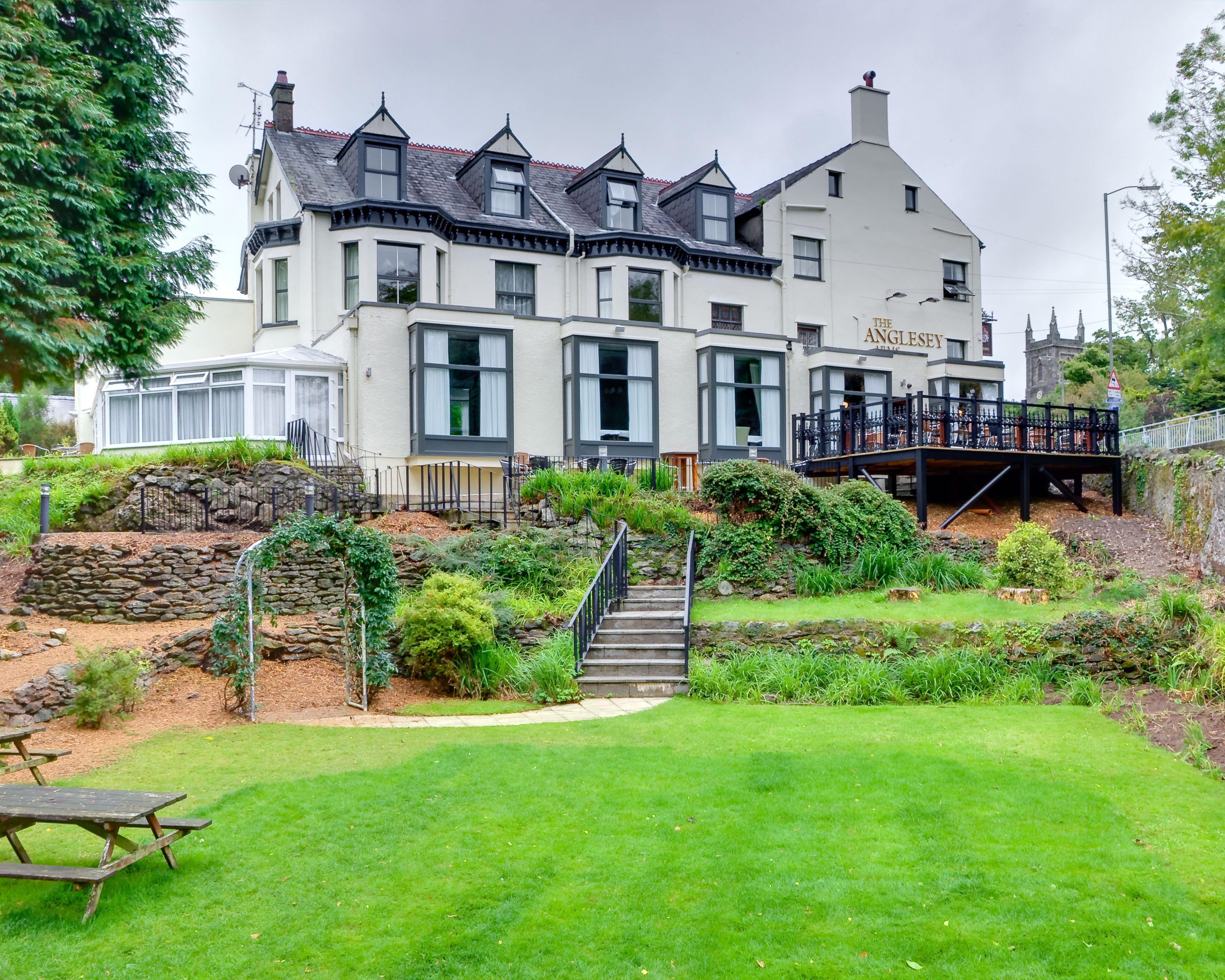
Derbyshire stretches from the gritstone edges of the Peak District to the red-brick streets of Derby city, meaning where you base yourself changes everything. This guide covers 7 centrally located hotels across the county - from village inns inside the national park to a city-centre property in Derby's Cathedral Quarter - so you can match your accommodation to how you actually plan to travel.
What It's Like Staying in Derbyshire
Derbyshire is one of England's most geographically diverse counties, combining the protected moorland and limestone dales of the Peak District National Park with industrial heritage towns and the regional hub of Derby. Getting around requires planning: public transport outside Derby city is sparse, and many of the county's most-visited sites - Chatsworth House, Mam Tor, Dovedale - are best reached by car. That said, visitors who base themselves in well-positioned villages like Castleton or Hope can access multiple Peak District walks directly on foot, removing the need to drive at all.
Crowd patterns vary sharply by zone. Derby city sees business travellers Monday to Thursday and leisure visitors at weekends, while Peak District villages fill up fast on summer weekends and school holidays. Castleton, in particular, can see footfall rise by around 60% on Bank Holiday weekends, making central accommodation book out weeks in advance. Derbyshire rewards travellers who plan ahead and suits those who want both landscape and culture within a short drive of each other.
Pros:
- Centrally located villages like Hope and Castleton give direct access to Peak District trails without a car journey
- Derby city centre offers reliable public transport links to Nottingham, Sheffield, and Birmingham
- Wide range of accommodation types - from historic inns to modern city hotels - at more competitive prices than comparable spots in the Cotswolds
Cons:
- Rural areas have very limited bus services, making a car essential for most itineraries outside Derby
- Peak season weekends in the national park see congestion on the A623 and A6, extending travel times significantly
- Many village pubs and restaurants operate reduced hours in off-peak months, limiting evening dining options
Why Choose a Centrally Located Hotel in Derbyshire
Choosing a centrally located hotel in Derbyshire - whether that means the heart of Derby city or the main street of a Peak District village - cuts unnecessary driving time and puts you within walking distance of the experiences you came for. In Derby's Cathedral Quarter, a central hotel eliminates taxi costs and keeps you close to the bus station for day trips. In villages like Castleton or Hope, a central inn means trailheads, pubs, and local shops are within minutes on foot. Central village stays typically cost around 20% more than equivalent properties on the outskirts, but the convenience premium is justified for short stays of two or three nights.
Room sizes at central inns across Derbyshire tend to be modest - historic buildings with thick stone walls rarely offer large footprints - but character and atmosphere compensate. City-centre hotels in Derby offer more standardised, larger rooms with amenities like gyms and 24-hour reception that rural properties cannot match. The trade-off is atmosphere: a Derby city hotel keeps you closer to Rolls-Royce heritage sites and the Quad arts centre, but further from the dales and edges that most visitors come to Derbyshire to see.
Pros:
- Walking access to village pubs, trailheads, and local shops without relying on a car or taxi
- Historic inn settings in Peak District villages offer locally sourced food and genuine regional character
- Derby city-centre hotels provide 24-hour front desks and modern facilities suited to business or transit travellers
Cons:
- Central village rooms are often compact due to listed building constraints - not suited to travellers needing large luggage space
- Weekend noise from pub trade is common in central village inns, particularly Friday and Saturday nights
- Parking at central Derby hotels usually requires street parking or paid car parks, adding daily cost for drivers
Practical Booking & Area Strategy for Derbyshire
For Peak District exploration, positioning yourself in Hope Valley - covering villages like Hope, Castleton, and Edale - gives the best central base. From Hope, you can walk to Mam Tor, Winnats Pass, and Castleton's show caves without driving. If your priority is Chatsworth House, the villages near Bakewell sit closest, though accommodation options there are fewer. For the southern part of the county - Calke Abbey, Sudbury Hall, and Donington Park - Newton Solney and Staveley offer quieter, more affordable bases with easy road access. Derby city centre suits travellers using Derbyshire as a hub, with East Midlands Airport around 21 km south and direct trains to Sheffield and Nottingham running frequently.
Booking strategy matters significantly here. Peak District central villages sell out on summer weekends by mid-week, so securing accommodation at least 6 weeks ahead for July and August visits is strongly advised. Glossop, on the western edge near the A57 Snake Pass, is an underused base that puts Manchester Airport within a 30-minute drive while keeping the Dark Peak moors on the doorstep. Travelling in October or March gives access to quieter trails and lower room rates - often below summer peaks - while still offering reliable enough weather for walking and sightseeing across the county.
Best Value Stays
These properties combine convenient positioning across Derbyshire's key zones with honest, no-frills value - suited to walkers, road-trippers, and families who want a practical base without overpaying.
-
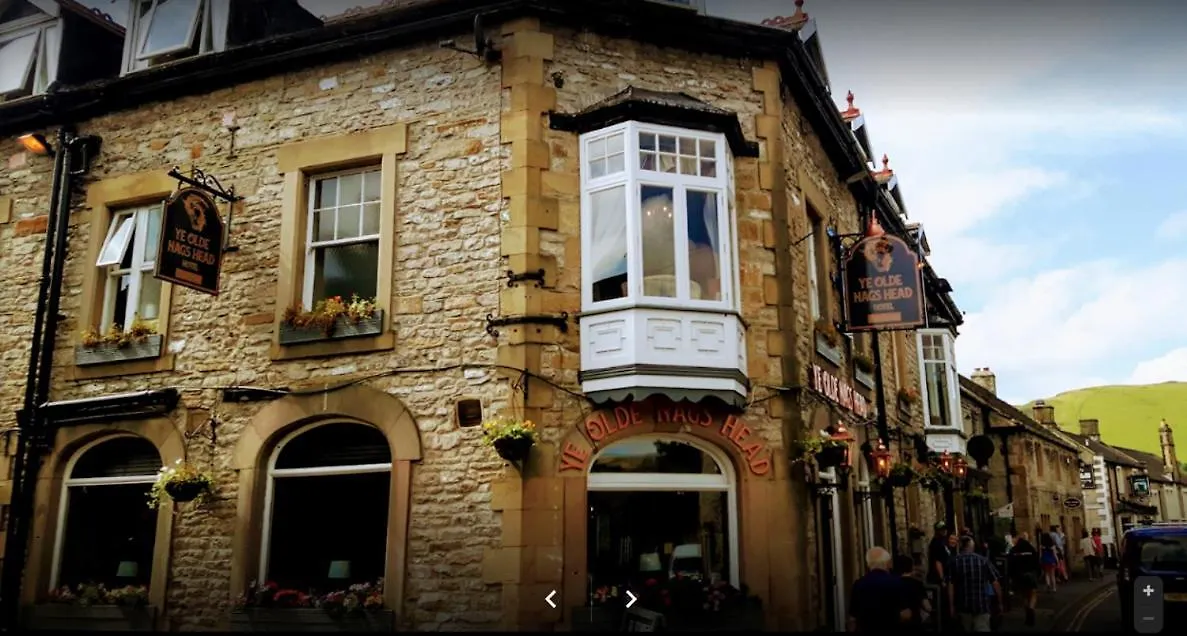
1. Ye Olde Nags Head
Show on map


 Check-infrom 14:00 until 22:00Check-outfrom 08:00 until 11:00
Just a few rooms left at the best rate!
from£ 79
-
2. The Shoulder At Hardstoft
Show on map


 Check-infrom 15:00 until 21:00Check-outuntil 11:00
Just a few rooms left at the best rate!
from£ 52
-
3. Staveley House
Show on map


 Check-infrom 15:00 until 22:00Check-outfrom 07:00 until 11:00
Just a few rooms left at the best rate!
from£ 137
-
4. The Unicorn Inn
Show on map


 Check-infrom 14:00 until 21:00Check-outfrom 08:00 until 10:00
Hurry – almost gone at this price!
from£ 54
Best Premium Stays
These three properties offer stronger facilities, more distinguished settings, or city-centre convenience that justifies a higher nightly rate - suited to travellers who want more from their Derbyshire base than a functional overnight stop.
-
5. Queens Arms Country Inn
Show on map


 Check-infrom 14:00 until 21:00Check-outfrom 07:00 until 10:00
Hurry – almost gone at this price!
from£ 76
-
2. Old Hall Hotel Hope
Show on map


 Check-infrom 14:00 until 22:00Check-outuntil 11:00
Rooms filling fast – secure the best rate!
from£ 126
-
3. Leonardo Hotel Derby
Show on map


 Check-infrom 15:00 until 23:59Check-outuntil 11:00
Rooms filling fast – secure the best rate!
from£ 54
Smart Travel & Timing Advice for Derbyshire
The Peak District section of Derbyshire is busiest from late May through August, with Bank Holiday weekends seeing car parks and village centres reach capacity by mid-morning. Booking central village accommodation at least 6 weeks ahead for summer visits is essential - properties in Castleton and Hope regularly sell out. September and early October offer a practical alternative: heather on the moors peaks in August and lingers into September, trail crowds thin noticeably, and room rates in village inns often drop by around 25% compared to peak summer prices.
Derby city hotels follow a different pattern - weekday occupancy is driven by business travellers, which pushes mid-week rates higher than weekend rates at properties like Leonardo Hotel Derby. Arriving Thursday evening and staying through Sunday gives access to lower weekend pricing while still covering the main city sights and a Peak District day trip. For most leisure visitors, a stay of 3 nights is the sweet spot: enough time to cover Chatsworth, one major walking route, and a market town visit without rushing. Glossop and Old Glossop are significantly underbooked relative to Hope Valley, offering a quieter western approach to the Dark Peak with Manchester Airport as a practical entry point - a route worth considering for those flying rather than driving from London.