


Getting Married at the Turret House: Where Your Guests Can Stay in Derbyshire
The Turret House gives a wedding its own sense of history, with Tudor walls and a setting that few venues can match. Sheffield Manor Lodge has promoted the building for events and weddings, so couples can plan a ceremony in a place with real age and character. The harder question for many couples is where their guests will sleep, particularly when the wedding falls on a summer weekend in the Peak District.
This guide covers the venue side briefly and then focuses on accommodation: how to choose a base, how to plan for guests who travel from further away, and how to keep the day running smoothly. Availability and terms change, so confirm the current arrangements for the Turret House with the organisation that manages the site before fixing any date.
Understanding the Venue Before Booking
The venue hire page describes the Turret House as a space for events, and it is the place to start when you are weighing the building against other options. Ask about the capacity for a seated meal and for a standing reception separately, because the two can be very different in an old building. Confirm how the ceremony space is arranged and what the site allows in terms of decoration and fixings, since historic walls and grounds have their own rules.
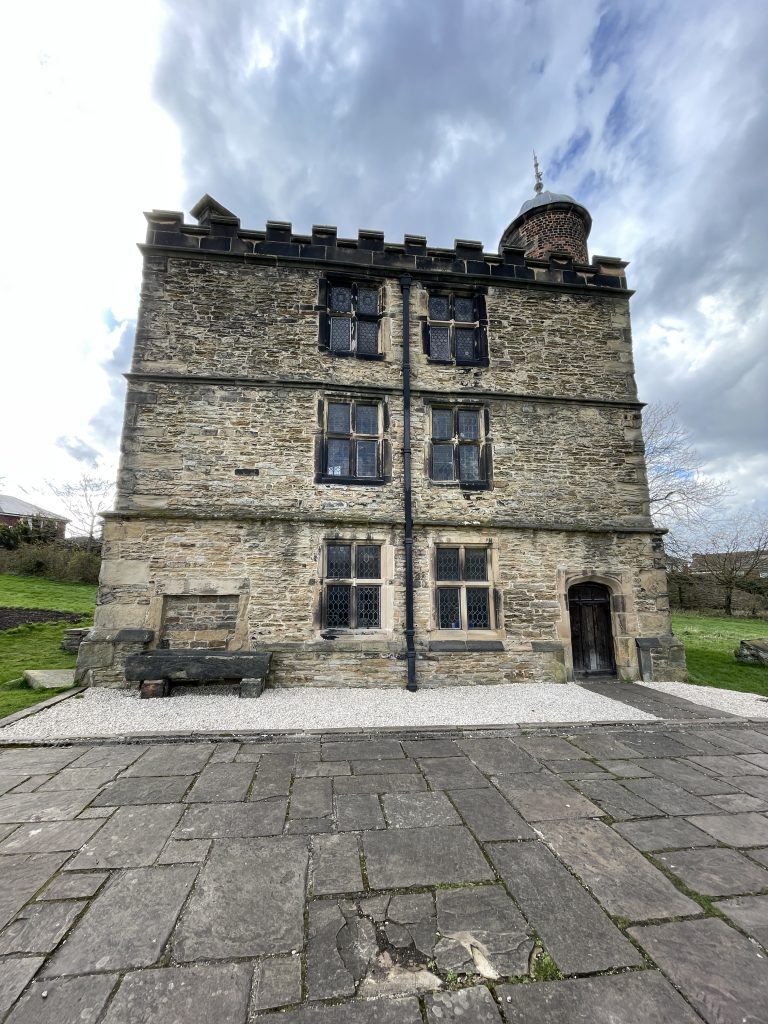
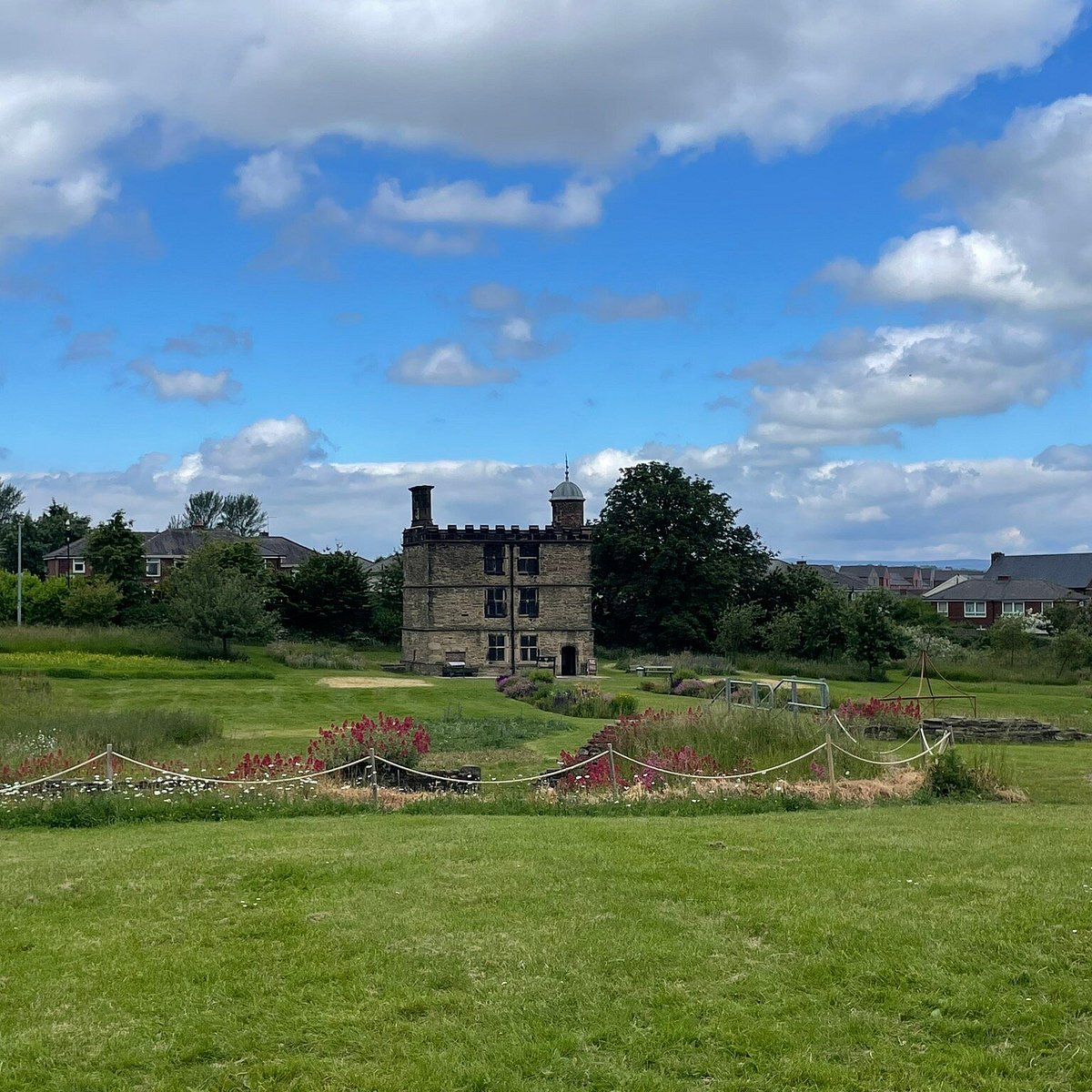
Think about the weather from the start. The Turret House and its grounds are exposed to the elements, so a wet-weather plan with clear shelter is essential. Ask how the site handles parking, access for older guests and the arrangements for late evening departures, since these details shape the guest experience more than most decorations do. Walk the route from the car park to the building with a guest's eyes, and note any steps, slopes or uneven ground.
Ask the organisation how the wedding day fits with other activity on the site. Knowing who else may be using the grounds, and when, helps you plan photographs and timings. Written confirmation of these details is worth having, because informal assurances can be easy to forget by the time the day arrives.
Choosing Where Guests Should Stay
Most couples find that guests spread across several towns, depending on their budgets and how far they are travelling. Sheffield offers the widest choice of hotels and is best for guests who want city restaurants and rail links. Bakewell and Hathersage suit guests who want a village or market-town atmosphere, while Castleton and the surrounding villages are good for those who plan to walk on the morning after the wedding.
Distance from the venue matters more than the number of miles on a map. A short drive on a quiet road is easy, but a route through narrow lanes after dark can be stressful for older guests. Map the likely journeys before you choose the base towns, and tell guests what to expect on the final approach. A printed map with the venue marked clearly is still one of the most useful things you can send with the invitation.
Consider the needs of guests who do not drive. Public transport in the Peak District is good on main routes but limited in villages, so a shared taxi arrangement or a coach may be the simplest option for a group. Confirm the cost and booking process early, and make sure the plan works for guests leaving late in the evening. Guests who are not sure how they will get home are less likely to enjoy the celebration fully.
Room Blocks and Booking Windows
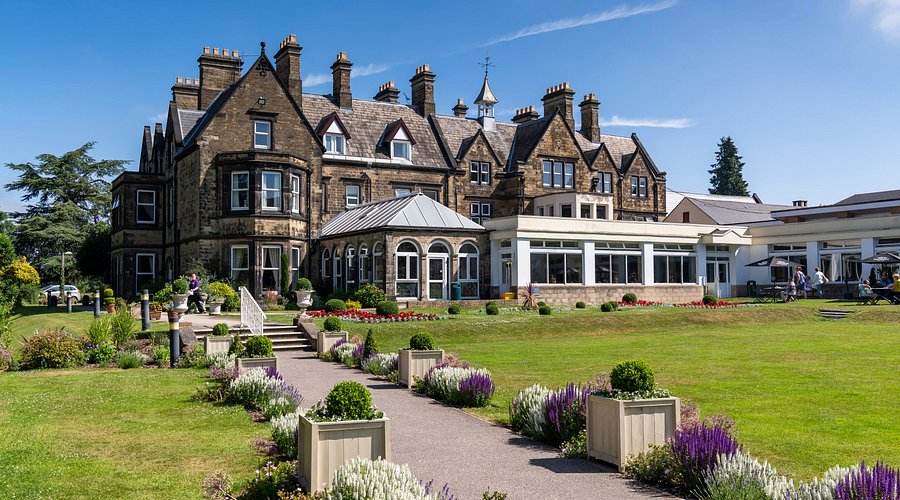
Room blocks are a common way to keep guests together. Ask a local guest house or hotel whether it can hold a set number of rooms for your wedding dates, and check the cancellation terms before you agree. Many properties ask for a deposit or a named list of guests within a set period, so note the deadlines in your planning calendar. Read the small print carefully, because releasing rooms too late can leave you paying for empty beds.
Book early for summer weekends, because the Peak District fills quickly. Some villages have only a handful of rooms, and these can be taken months ahead. Ask guests to book directly where possible, and share a simple list of recommended options with the wedding details, so that everyone can compare them without searching for hours. Encourage guests to book soon after the invitation arrives rather than waiting for a reminder.
Accessible rooms are limited in many small properties. If any of your guests need step-free access or a ground-floor room, ask about this at the start of the conversation rather than at the end. Clear information about accessibility helps guests decide where to stay, and it shows that the couple has considered everyone's needs.
Getting Guests to and From the Site
The journey to the venue is part of the wedding for many guests, so plan it with care. Tell guests the best route from each base town, the expected parking situation and whether a shuttle will run. A printed sheet with the directions and the phone number of a local taxi firm helps guests who are unfamiliar with the area. Include a short note about how long the final approach takes, since guests often underestimate the last few miles on rural roads.
Plan the return journeys as carefully as the arrival. Late departures from a rural site can leave guests stranded, so arrange taxis or a coach in advance and agree the timing with the venue. Encourage guests who will drive to choose a designated driver or to book a taxi, so that the end of the evening is safe and calm. Some couples set a fixed departure point for the coach and make sure a named person is responsible for counting people on board.
If you have older relatives or guests with limited mobility, arrange a quieter transport option and a clear place to wait. Small kindnesses like these are often remembered long after the cake has been cut, and they make the day feel well organised for everyone.
Adding Heritage Touches to the Day
The history of the site gives couples plenty of material for the day. A short welcome that mentions the manor's Tudor past, or a table display built around the history overview, can help guests feel part of the story. Keep the references light, so that the focus stays on the couple and their families rather than on a lecture about the building. A simple card at each table with one interesting fact is often enough, and the discovery centre is a good place to check the details first.
The history overview is a useful source for accurate details, and it helps avoid misstatements in speeches and printed material. Check any historical claims against the site and the organisation that manages it before using them, because well-meant facts can be wrong. If you plan any costumed or re-enacted elements, ask the site for permission first, since the grounds and the building have their own conservation rules.
Photography is another way to bring the heritage into the day. Ask the photographer to include the tower, the grounds and the approach, so that the pictures show the setting as well as the people. These images will be among the most lasting parts of the day for the couple and their families.
Frequently Asked Questions
Can we get married at Sheffield Manor Lodge at any time of year?
Seasons, the site's own rules and the existing booking calendar all shape availability. Some periods are busier than others, so ask the organisation which dates are open and what the conditions are for each. Confirm the current arrangements in writing before you commit.
How early should guests book their accommodation?
Guests should book as soon as the date and the base towns are confirmed, especially for summer weekends. Smaller villages can fill months in advance. A room block with a local provider is a helpful way to hold rooms for the whole group.
Is there parking at the site?
Parking arrangements depend on the current site management and the event type. Historic sites often have limited spaces, so ask in advance and share the details with guests. Consider a shuttle or taxi plan if parking is restricted.
Can we hold the reception somewhere other than the venue?
Yes, many couples split the day between two locations, with a ceremony at one site and a reception at a hotel or barn elsewhere. Check the travel time between the two, and make sure guests have clear directions and transport for both.