


Planning a School History Trip: Combining Sheffield Manor Lodge with an Overnight Stay in Derbyshire
A school history trip to Sheffield Manor Lodge works best when the visit is treated as one part of a longer learning plan. The site offers a tangible way into Tudor and medieval history, with ruins, a surviving tower and a landscape that still carries the outline of its past. An overnight stay in Derbyshire adds time for fieldwork, walks and reflection, which many teachers find hard to fit into a single school day.
This guide is written for teachers and trip organisers who plan the logistics themselves. It covers educational aims, timing and group management, and the practical checks that matter most before a trip leaves school. The site's school pages describe education work from an earlier period, so every detail below should be confirmed directly with the current operator before you commit.
Setting Clear Learning Aims
Start with two or three questions the pupils should be able to answer by the end of the trip. Good examples include how a medieval deer park was used, what the Turret House tells us about Tudor domestic life and why the landscape looks the way it does today. Aims like these keep the visit focused and make it easier to link the trip to the curriculum back in the classroom. Write them on the trip letter so that parents and helpers know what the day is for.
The school education pages describe programmes that have been offered at the site, and they are a useful guide to the kind of activities that have worked before. Ask the operator which elements are running now, because a programme that suited a previous year may need to be adapted. Pair the site visit with the history overview, and point pupils to the archaeology pages, so that pupils arrive with a clear sense of the sequence of events, and so that the teacher can refer back to it during the day.
Build in a simple recording method, such as a sketch, a short written observation or a photograph with a caption. Pupils find it easier to remember a site when they have had to describe something in their own words. Ask them to note one thing that surprised them and one question they would like to answer later. A short debrief on the coach or back in school helps the learning settle while the details are still fresh, and the notes become useful material for assessment work afterwards.
Timing the Visit and the Overnight Stay
Separate the site visit from the overnight stay in the planning, even if they are linked in one trip. The visit needs enough time for walking, looking, questions and a short break, while the overnight stay needs check-in, supper, a quiet evening and an early start the next morning. Trying to squeeze both into one block tends to leave pupils tired and staff rushed, and it reduces the time available for the activities that matter most.
Consider the season carefully. Spring and early summer give longer daylight and softer ground, while autumn and winter can bring mud, early darkness and cold wind on exposed paths. Choose a date with some flexibility, and have a wet-weather plan that keeps the learning objectives in view even if the outdoor element has to change. An indoor session on the same themes, using photographs, maps or documents, can be just as valuable as a damp walk.
Plan rest periods that suit your group. Younger pupils often need a snack and a sit-down after the first hour, while older groups may want a longer walk before lunch. A written timetable shared with staff and parent helpers keeps everyone on the same page, and it makes it easier to decide quickly if the day needs to change. Leave a margin at the end of the day so that a late start or a slower group does not push the return journey into a rush.
Checklist Before the Trip
The list below covers the checks that most often cause problems when they are left until the last minute. Work through it in order and tick off each item before the final parent letter goes out. Most of the items can be completed several weeks in advance, which leaves time to deal with anything unexpected.
- Confirm the current education offer, booking requirements and any minimum group size with the site operator.
- Carry out a risk assessment for the site and for the walking route, and share it with all staff.
- Check the ground conditions and footwear guidance, and write these into the pupil letter.
- Confirm supervision ratios with your school's own policy, including for the overnight stay.
- Arrange a first aid kit, a list of emergency contacts and a method for keeping the group together.
- Check the phone signal at each stop, since coverage on the moors can be patchy.
- Agree a simple wet-weather alternative with the site and the accommodation provider.
Keep a printed copy of the checklist with the trip folder. Staff who take over during the day can then see what has been arranged, and the record is useful when the trip is reviewed afterwards.
Safety, Supervision and Accessibility
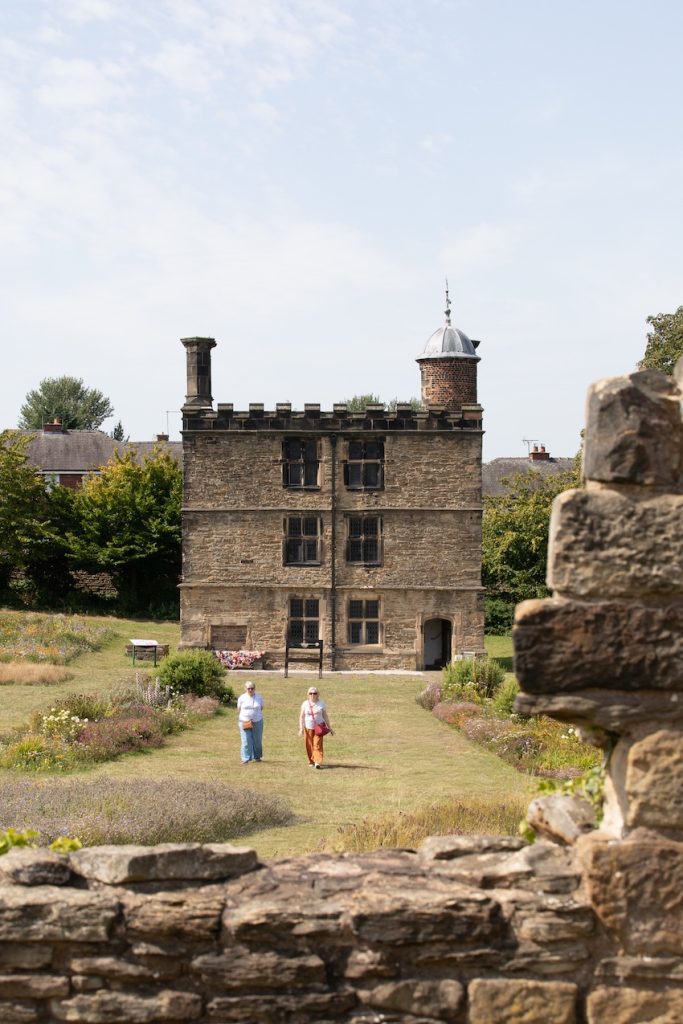
The ground at Sheffield Manor Lodge is uneven in places, and the ruins and earthworks are not designed for unrestricted climbing. Brief pupils on where they may go, and ask staff to position themselves so that they can see the whole group at all times. Clear rules about staying on paths protect both the pupils and the monument, and they are easier to enforce when they are explained at the start rather than during the visit.
Derbyshire walking routes add a further layer of planning. Moorland paths can be steep and slippery, and the weather can change faster than expected. Choose routes that match the fitness of the least confident walker, and agree a point at which the group turns back if conditions worsen. Mobile signal is not reliable across the hills, so carry a paper copy of the route and the emergency contacts. A designated first aider and a clear head count at every stop make a real difference on a long walk.
Accessibility should be checked for every pupil, not only those with a formal need. Ask the operator about step-free routes, toilet facilities and seating, and plan a version of the visit that keeps everyone involved even if some areas are out of reach. Good planning here makes the trip inclusive from the start, and it avoids the difficult moment when a pupil cannot follow the group to the main feature.
Accommodation and Travel for a Group
Group accommodation in the Peak District is often booked by a small number of properties, so make enquiries early. Ask whether the venue can provide separate room allocations for staff and pupils, and confirm the arrangements for supervision at night. Check the number of accessible rooms and whether the building has a suitable evacuation plan for the group. Some properties will also ask for a copy of your risk assessment, so keep one ready.
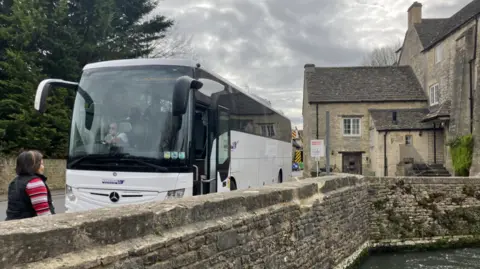
Coach access is a key issue for both the manor and the Derbyshire base. Confirm where the coach can park, how long it can wait and whether it can reach the drop-off point without a long walk. Narrow village lanes can be difficult, so ask the accommodation provider for guidance on the final approach, and do not assume that a satnav route is suitable for a full-size coach.
Keep the travel plan simple. One coach for the outward and return journey, with a clear departure time and a named staff member responsible for the register, is easier to manage than several smaller groups travelling separately. Share the plan with parents well in advance, including the arrival and collection times and the contact number for the trip. A short reminder the day before, with the weather forecast and any kit requirements, helps the morning run smoothly.
Frequently Asked Questions
Is Sheffield Manor Lodge suitable for primary school pupils?
It can be, provided the activities are adapted to the age group and the ground is managed with care. Younger pupils need shorter sessions, closer supervision and more frequent breaks. Ask the operator what is available for primary groups before you commit.
Do schools need to book in advance?
Booking is generally recommended, especially for group visits and any guided activity. Check the current arrangements with the operator, because the site's school information is from an earlier period. Early contact also helps with timing and accessibility questions.
How can the visit link to the curriculum?
The site supports work on Tudor history, local history, archaeology and landscape geography. Pupils can compare the manor with other historic sites and discuss how land was used over time. The overnight stay gives extra time for walks that connect these topics to the wider Peak District.
Can the overnight stay include outdoor activities?
Walks and short fieldwork tasks are a natural fit for an overnight stay in Derbyshire. Keep the activities within the group's fitness and the weather conditions on the day. Always brief staff and pupils on the route and the turning point before setting out.