


Combining a Visit to Sheffield Manor Lodge with a Peak District Weekend in Derbyshire
A weekend built around Sheffield Manor Lodge can comfortably extend into Derbyshire, because the Peak District National Park begins within easy reach of the city. The manor's ruins, the Tudor-era Turret House and the surrounding parkland make a full morning or afternoon on their own. The moorland edges, reservoirs and stone-built market towns beyond the city boundary fill the rest of the trip. This guide sets out one way to combine the two, with notes on what to see, how to pace the days and where to base yourself.
The plan suits visitors who want more than a single attraction. Sheffield Manor Lodge rewards slow looking, because the layers of its history show in the earthworks and walls as much as in the standing buildings. The Peak District asks for something different: early starts, sturdy footwear and a willingness to follow the weather. Splitting the trip into two halves lets each one work on its own terms. A quiet start among old stones can be followed by open hillside before the car parks fill.
Starting the Day at Sheffield Manor Lodge
Begin at the manor itself. The site preserves the remains of the Great Sheffield Deer Park, a landscape with roots that reach back to the Saxon period, and the Turret House is the clearest reminder of the Tudor years. Walk the outline of the old buildings slowly and read any interpretation that is on hand, because the ground plan explains far more than a photograph does. Pay attention to small changes in level, since they often mark former walls, banks or routes that no longer stand above ground. The history overview sets out the sequence of occupations in plain order, so it is worth reading before you arrive.
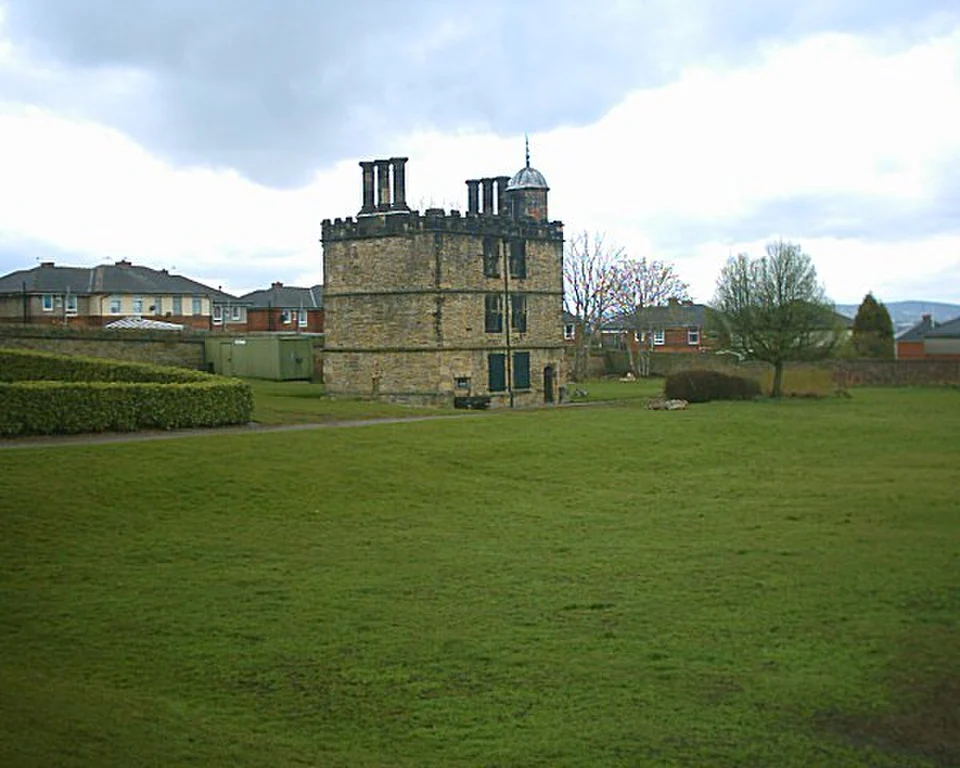
Allow more time than you expect. Visitors who rush through the parkland tend to miss the views back toward the city and the quiet corners where the old boundaries can still be traced. A late start is also a mistake for the walk ahead, because the morning is the best time to take in the ruins before the day warms up and the paths grow busy. If you want to know more about the building and how it is looked after, the visitor and education centre is the place to ask. Opening arrangements change over time, so confirm access with the organisation that manages the site today before you set out.
Choosing a Base in Derbyshire
Where you sleep shapes the whole weekend. Sheffield is a sensible base if you want restaurants, rail links and a wide choice of accommodation, and the journey out to the moors is short. Staying in Derbyshire is the better option if your priority is an early start on the trails, because the hills begin just beyond the last suburbs of the city.
Bakewell, Castleton, Hathersage and Matlock each offer something different. Bakewell is a market town with a convenient spread of cafes and shops, and it works well for visitors who want an easy evening after a day outdoors. Castleton lies below the ridge of Mam Tor and suits walkers who want to be on the path before breakfast is cleared. Hathersage has a village pace and direct access to the gritstone edges. Matlock suits anyone who plans to combine the trip with a spa-town visit or a longer drive through the Derwent valley.
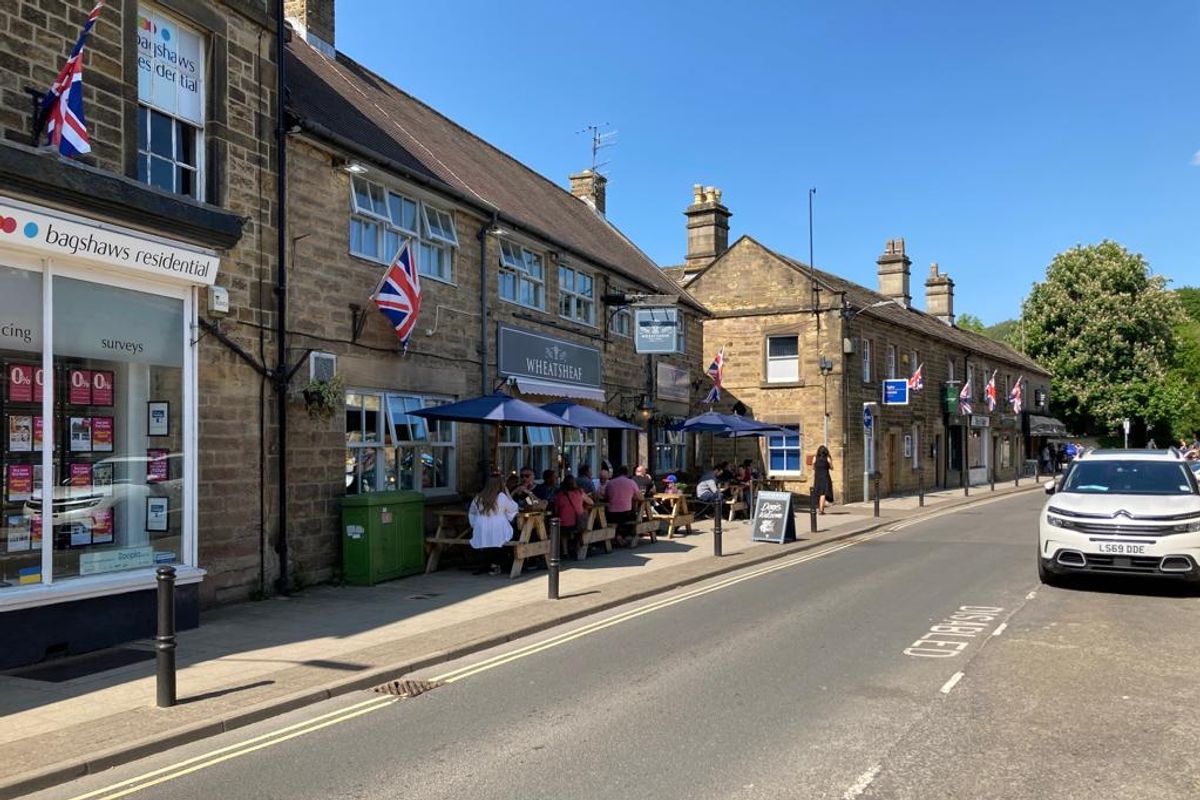
Whichever base you choose, book early for weekend nights in the warmer months. Smaller guest houses and village inns fill quickly, and some have limited parking. Check whether your room includes breakfast, and ask about arrival times if you expect to arrive late, because many smaller properties do not staff reception around the clock.
Walks That Fit Into One Weekend
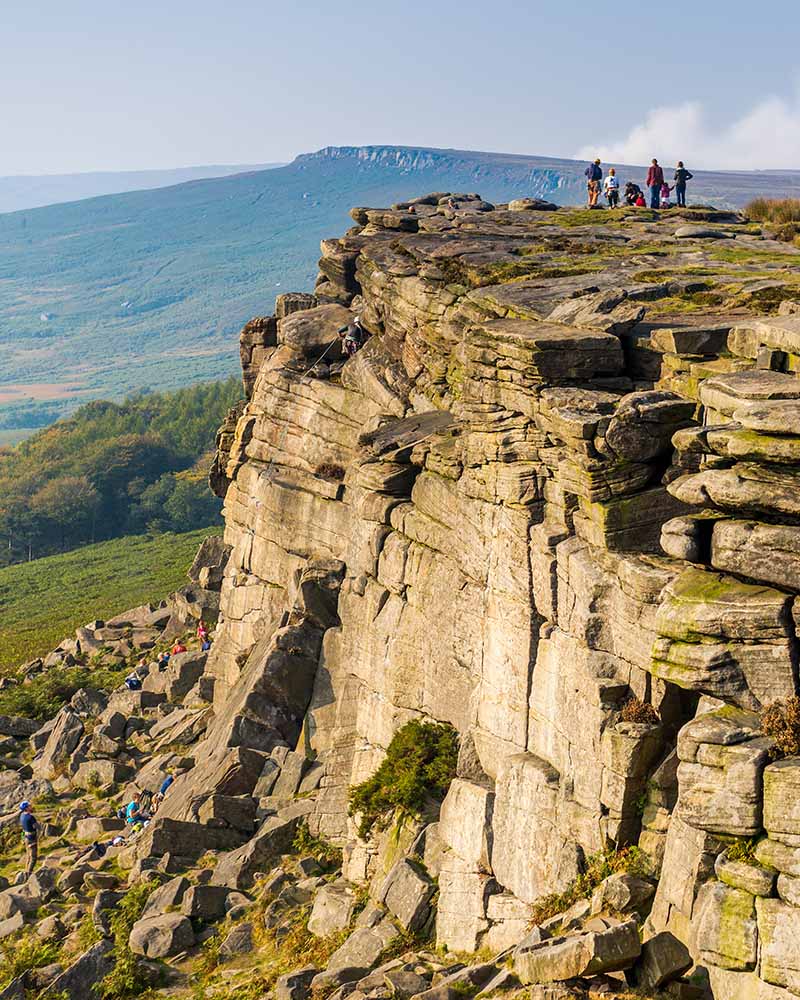
Choose walks that match the time you have left after the morning at the manor. Stanage Edge, a long gritstone escarpment above Hathersage, is one of the most recognisable walking and climbing places in the region, and its paths reward a steady pace. Mam Tor, above Castleton, offers wide views and a clear ascent for anyone who wants a shorter outing. Kinder Scout, the highest ground in the Peak District, needs more planning, with navigation skills and proper clothing for changeable moorland weather.
The reservoirs offer a gentler option. Ladybower Reservoir has long shore tracks that suit families and anyone recovering from a longer walk the day before. Early or late in the day the water is often quiet, and the surrounding woods change colour with the seasons. Waterproof layers and a map or offline route are sensible even on short paths, because the weather can shift quickly once you climb above the valleys.
Treat any walking time as a rough guide and build in a margin. A useful rule is to finish the day with enough light and energy left to travel back comfortably. The countryside around the manor is also managed as part of the working landscape project, and walkers who notice the careful grassland and hedgerow management near the site may find the same thinking at work further out on the hills.
Pacing the Two Days
A practical plan gives the weekend a clear shape. On the first day, arrive in Sheffield in the morning, spend two to three hours at the manor, and have a late lunch in the city before travelling into Derbyshire. The afternoon can be used for a short walk near your base, such as a riverside path or a village loop, so that the evening stays free for rest. This arrangement avoids the common mistake of reaching a moorland car park at dusk with no plan for the descent.
On the second day, start early on a longer route. Moorland paths are quieter before mid-morning, and the light is often better for photographs of the edges and valleys. Finish with a slower activity, such as a visit to a historic house or a village cafe, because tired legs and a full itinerary rarely combine well. If the weather turns, switch to a lower route or a town-based day rather than pushing on up exposed ground.
Keep one flexible slot in the schedule. Footpath closures and seasonal conditions change, so treat the plan as a framework rather than a timetable. Check the latest information from each place you intend to visit on the day you travel, and leave the last hour of the second day unplanned so that you can return at your own pace.
Getting Between the Sites
Sheffield is well connected by rail, and many visitors arrive at the main station before taking a bus or taxi to the manor and onward to Derbyshire. Services from Sheffield run into the Hope Valley toward the Peak, which makes the link between the city and the national park one of the more straightforward parts of the trip. Check the timetable for the specific day you travel, because weekend services often differ from weekday ones.
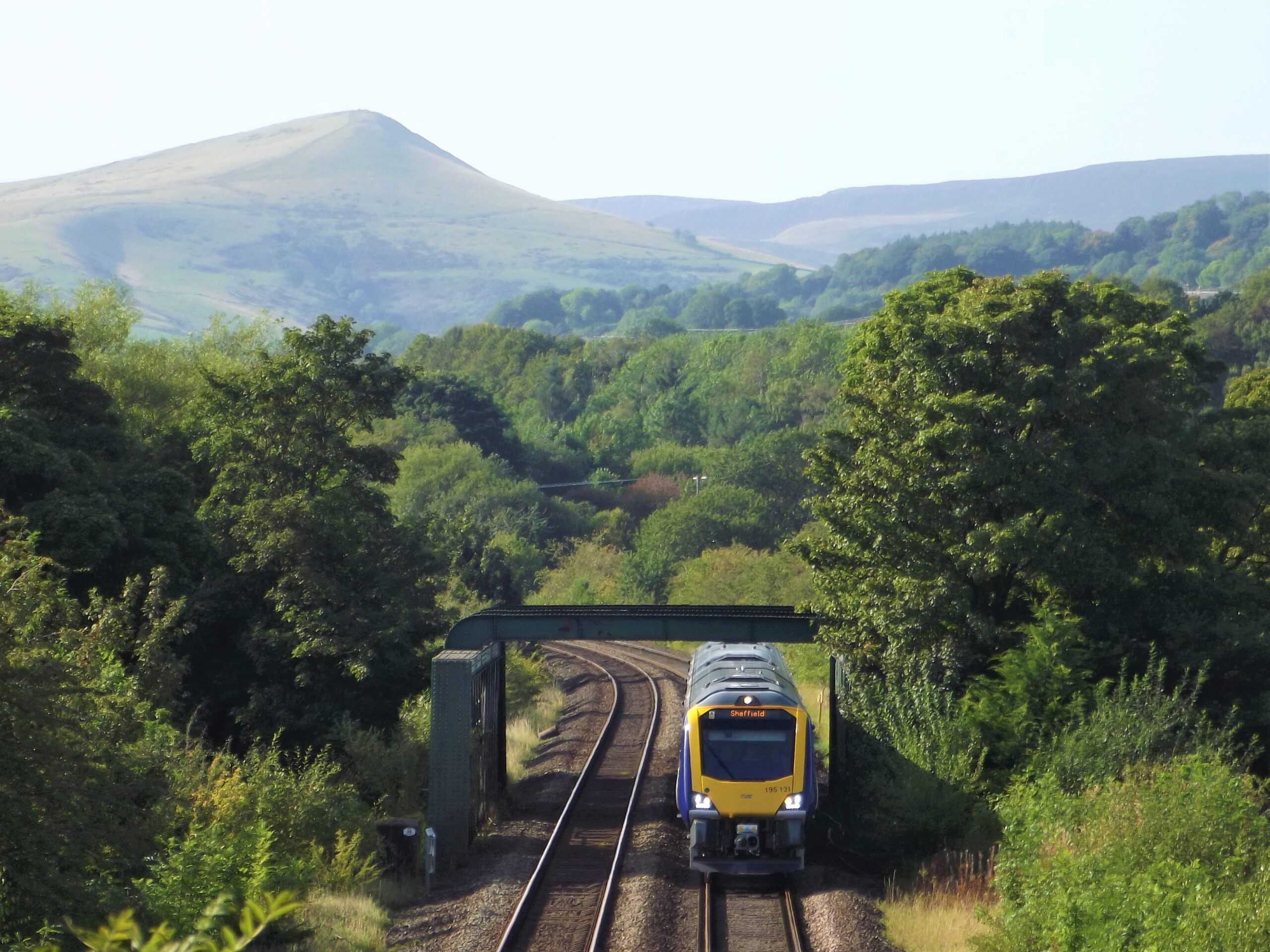
Driving gives the most flexibility, particularly for moorland car parks and smaller villages that buses serve only occasionally. Parking at popular Peak District sites can be limited at busy times, so arrive early or choose a less visited trailhead. Carry a payment method that works at the car parks you plan to use, because some rural machines do not accept every card. Narrow lanes near the villages call for slow driving and a willingness to pull into a passing place.
Buses connect Sheffield with many towns in Derbyshire, although frequencies on rural routes can be low. Build a return plan into every day and note the last service before you set off on a walk. A taxi from a village is sometimes the most reliable way to finish a long day, so save a local number before losing signal on the hills. If you are travelling with heavy kit or a pushchair, a taxi for the final stage can save a great deal of effort.
Frequently Asked Questions
How far is the Peak District from Sheffield Manor Lodge?
The national park boundary lies close to Sheffield, so the moorland edges can be reached within a short journey by car, bus or train. Exact travel times vary with traffic, timetables and the walk you choose. Check a current journey planner on the day you travel.
Can I visit Sheffield Manor Lodge and the Peak District in one day?
A short walk is possible in one day, but a full weekend gives a far better experience. A morning at the manor followed by an afternoon in the hills is a realistic plan for a fit walker who leaves time for the return journey. Longer routes are better spread across a second day.
Where should I stay for a Peak District weekend?
A Derbyshire village or market town puts you close to the trails and reduces early-morning driving. Sheffield suits visitors who want city restaurants and easy rail connections. Book early for weekend nights, especially in the warmer months.
Do I need a car for this trip?
A car gives the most freedom, particularly for trailheads and villages that buses serve infrequently. Public transport can still work well if you plan around timetables and stay in one base. Many visitors combine a train into Sheffield with local buses or a taxi for the final stretch.