


A Tudor History Trail: From Sheffield Manor Lodge to Derbyshire's Historic Houses
A Tudor history trail that links Sheffield Manor Lodge with Derbyshire's great houses works because the stories are connected at their roots. Mary, Queen of Scots spent part of her long captivity at Sheffield Manor, and the Turret House still shows something of the domestic world of the period. The same families, estates and alliances shaped several Derbyshire houses, so visiting them in sequence gives a clearer picture than seeing any one site on its own.
The trail suits readers who enjoy architecture, family history and the politics of the sixteenth century. It does not need a packed schedule, but it does reward a sensible order. Start with the manor, where the story is most local, and then move to houses that show how wealth and power were displayed in the decades that followed.
Why Sheffield Manor Lodge Anchors the Trail
The manor matters to this trail because of its long occupation. The site holds the remains of the Great Sheffield Deer Park, a landscape with Saxon origins, and it was later used as a residence by the Earls of Shrewsbury. The Turret House is the building most visitors come to see, and its later Tudor character gives the rest of the trail a point of reference. Standing among the ruins makes it easier to picture the household that moved between the manor and the larger houses further into Derbyshire.
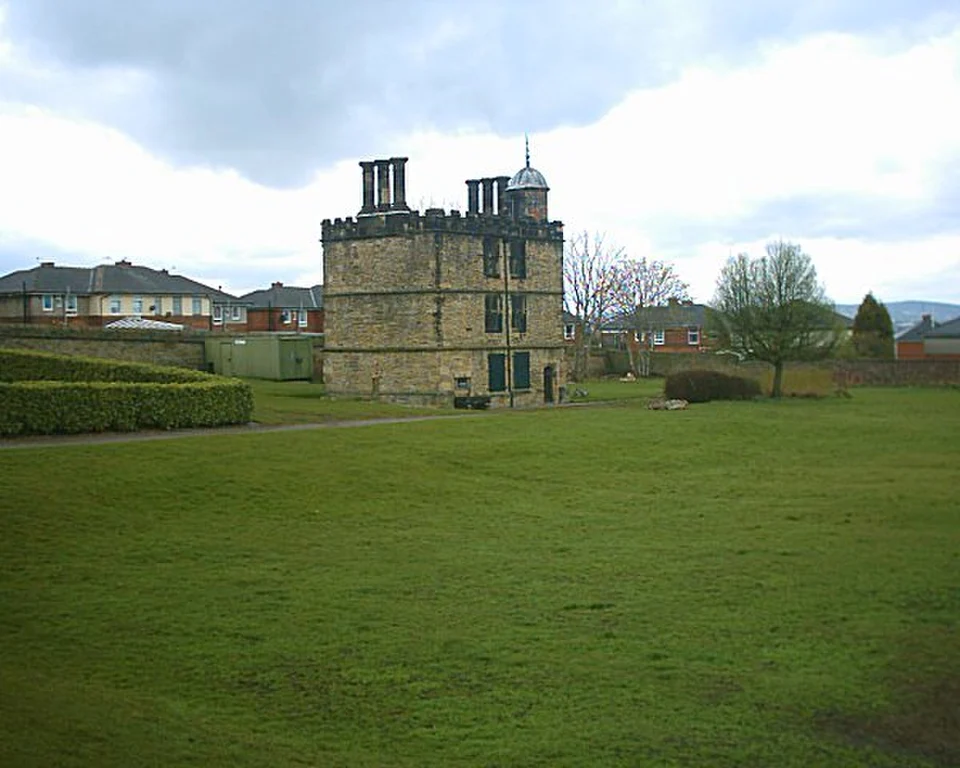
Read the history overview before setting out, because the sequence of owners and occupants is easy to lose track of once you reach the next house. Note who held the manor at each stage, and which of them also had a connection to the Derbyshire estates you plan to visit. That single thread makes the rest of the trip feel like one story rather than a list of separate buildings.
It is also worth looking at the wider landscape around the manor. The grounds were once shaped by hunting, grazing and timber, and that older pattern still influences the way paths and open ground sit today. Noticing it here makes the country houses later on easier to read, because their parks and gardens were laid out with the same kinds of ambition.
Hardwick Hall and the Lives of Bess of Hardwick
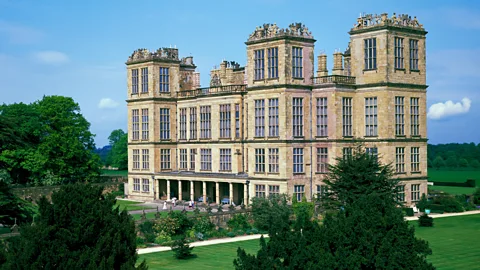
Hardwick Hall, built in the 1590s for Elizabeth Talbot, known as Bess of Hardwick, is the centrepiece of most Tudor trails in the county. The house is famous for its large windows, and the old phrase about having more glass than wall still describes it well. Bess was a formidable builder and estate manager, and her marriage to the Earl of Shrewsbury tied her closely to the custody of Mary, Queen of Scots. Her own building work reflects a confidence that few women of her period were able to show in public life.
Visitors who walk through the rooms can see how a sixteenth-century household was organised, from the great chambers used for display to the more practical spaces behind them. The long gallery and the tapestries give a sense of how guests were received and impressed, while the service areas remind you that every grand room depended on a large staff.
The house is cared for by the National Trust, so check the current opening arrangements and any booking requirements before you travel, since historic houses often manage visitor numbers at busy times. Plan to arrive early in the day if you want a quieter visit, and allow extra time for the walk around the outside, where the building looks different in the changing light.
Haddon Hall and the Medieval Manor Tradition
Haddon Hall, near Bakewell, offers a different kind of Tudor experience. It is a medieval manor that gained Tudor additions over time, and it was long associated with the Manners family. Its terraced gardens and stone courtyards give a clear sense of how an English manor was laid out for both residence and show, and the walk from the car park to the entrance is part of the experience. The house was not rebuilt in one go, so its rooms and passages carry the marks of several generations.
Haddon is a useful counterpoint to Sheffield Manor Lodge. The manor at Sheffield is best understood through what survives in the ground and in its ruins, while Haddon is a living house whose layers can be read in the stonework of each room. Comparing the two helps a visitor see how one medieval tradition developed in different directions under different families. Ask a guide or read the interpretation boards to find the parts of the building that were added in the Tudor period.
The gardens are best seen in the warmer months, when the terraces are in leaf and the views across the valley are clear. Wear shoes with good grip, since the steps and paths can be steep and uneven. Allow time for a slow walk through the courtyards, because the best details are often at eye level, such as carved doorways and worn stone thresholds.
Bolsover Castle and the Cavendish Ambition
Bolsover Castle, built in the early seventeenth century by William Cavendish, marks the point where the trail moves from Tudor to Stuart England. Its buildings were designed to impress, with richly decorated rooms and a layout that suggests a deliberate statement of status. The castle sits on a hilltop with wide views over the surrounding countryside, which helps explain why it was chosen as a showpiece. Compared with the older manors on the trail, Bolsover looks almost theatrical, and that contrast is part of its appeal.
The Cavendish family also held Chatsworth, and the two houses are often seen together on a Derbyshire itinerary. Bolsover is smaller and more focused than Chatsworth, so it can be visited in an afternoon even by visitors with a limited timetable. Its ruins and rebuilt rooms make an interesting end point, because they show how architecture was used to project ambition across generations. Look for the painted rooms and the riding house, which give a sense of the activities that were valued by the household.
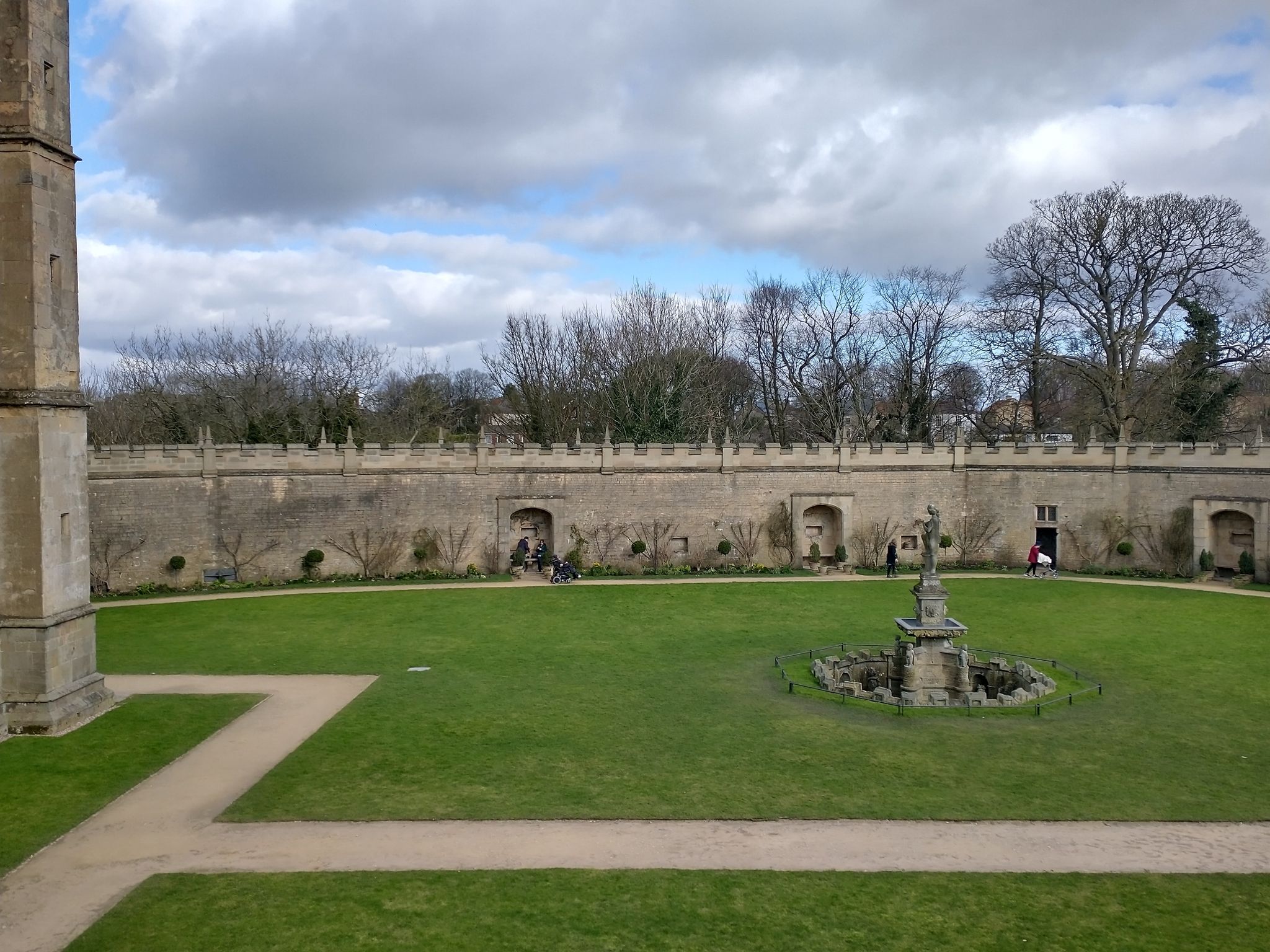
Bolsover is also a good place to reflect on the whole trail. The Tudor manor at Sheffield, the Elizabethan windows at Hardwick and the medieval courtyards at Haddon all lead to the Stuart-era display of Bolsover. Seeing them in that order shows how English country life changed in less than a century, and how the same families used buildings to tell their own story.
Building a Structured Itinerary
The table below lists the main stops in a suggested order, with the period each house mainly belongs to and the reason it fits the trail. The order follows the story from the earliest local origins to the later country house, and it can be shortened to two or three stops if time is limited. Treat the periods as a general guide, since many buildings were altered over several centuries.
| Stop | Main period | What it adds to the trail |
|---|---|---|
| Sheffield Manor Lodge | Saxon origins, Tudor Turret House | The local starting point and the custody story of Mary, Queen of Scots |
| Hardwick Hall | Elizabethan | Bess of Hardwick's building and estate management |
| Haddon Hall | Medieval, with Tudor additions | Pre-Tudor manor life and terraced gardens |
| Bolsover Castle | Early seventeenth century | The Cavendish display of architecture and status |
| Chatsworth | Sixteenth-century origins, later remodelled | The principal Cavendish seat, with a long building history |
For visitors with an interest in the wider site history, the archaeology pages on the manor complement the house visits well, and a short stop at the discovery centre can help tie the stops together before you leave the city.
When planning the days, leave the largest house for the morning when your energy is highest. Keep the smaller stops for the afternoon, and avoid trying to fit more than two major houses into one day. A relaxed pace makes it easier to notice the details that make this trail worth following.
Frequently Asked Questions
Can I visit all of these places in one weekend?
A weekend is enough for three or four stops if you choose a sensible order and avoid long drives in the middle of the day. Chatsworth and Hardwick Hall are large and deserve a full visit each. Bolsover and Sheffield Manor Lodge can be combined more easily in a single day.
Do I need to book in advance?
Many historic houses use timed entry or advance booking, especially in school holidays and at busy weekends. Check each property's current arrangements before you travel, because rules and opening days change. Booking early also helps if you want a guided tour.
What was the connection between Bess of Hardwick and Mary, Queen of Scots?
Bess was married to George Talbot, Earl of Shrewsbury, who was responsible for holding Mary in custody for many years. The arrangement brought the Talbot and Cavendish families into close contact with the queen's household. This shared history is why the trail links the manor with several Derbyshire houses.
Is the trail suitable for children?
Children often enjoy the gardens, the ruins and the stories of the houses, although the longer interiors can test patience. Plan shorter visits and build in outdoor time between stops. Check each site for family-friendly activities before you go.