


A Volunteer's Guide to Travelling to Sheffield Manor Lodge from Further Afield
Volunteers who travel to Sheffield Manor Lodge from outside the city usually need more planning than local helpers, because the work happens outdoors and the schedule depends on the weather and the season. Travel, accommodation and kit all have to fit around the task list. Knowing what to expect in advance makes the first session more productive and far more comfortable.
This guide is for people considering volunteering on the parkland and grounds, and for anyone helping them plan. It covers the steps to take before you travel, what to pack, and how to fit a volunteer day into a longer trip. Volunteering arrangements are described on the site's volunteering page, but as with all the site's older details, confirm the current process with the organisation before you make travel plans.
Confirming the Opportunity First
Before booking any travel, contact the organisation and ask what tasks are planned, which dates are available and whether a short induction is provided. Ask whether there is insurance cover for volunteers, what the procedure is in case of injury and whether you need to sign in or out on each day. These questions protect both you and the site, and they make it easier to judge whether the role suits your skills and your health.
The volunteering page sets out the general idea of the role, and the Friends of Manor Lodge group is a useful route to understanding how volunteers are supported. Ask whether the Friends group has regular sessions you can join, and whether a named contact will meet you on your first day. A conversation with a current volunteer, if one can be arranged, will tell you more about the daily reality than any written description.
Think carefully about the commitment before you agree. Outdoor work can be physically demanding and depends on the weather, so a flexible arrangement with some clear tasks is often the most realistic option for someone travelling a long way. Agree in writing how long you will be needed, what the expected start and finish times are, and how a cancellation would be handled.
Choosing Travel and a Base
Most volunteers from further afield arrive by train into Sheffield, then travel to the manor by local bus or taxi. Plan the last stage carefully, because early starts and late finishes can leave you with little room for error. Check the timetable for the specific days you will be working, and note the last service back into the city. A missed connection on a work day can be frustrating for the whole team.
Choose a base that matches the start time. Staying in Sheffield gives you easy access to restaurants, rail links and a choice of accommodation, while a base in a Derbyshire village may suit those who prefer a quieter evening. Whichever you choose, avoid a base that makes the first bus of the day impossible to catch. If you are not sure, a city centre hotel close to the bus routes is usually the simplest option for a short placement.

If you travel with others, consider sharing a car or a taxi to the site. This saves money and reduces the number of people arriving separately, which makes it easier to keep track of the group during the day. Agree a meeting point and a time in advance, and make sure everyone has the contact details for the other people in the group in case plans change on the morning.
What to Pack for Outdoor Work
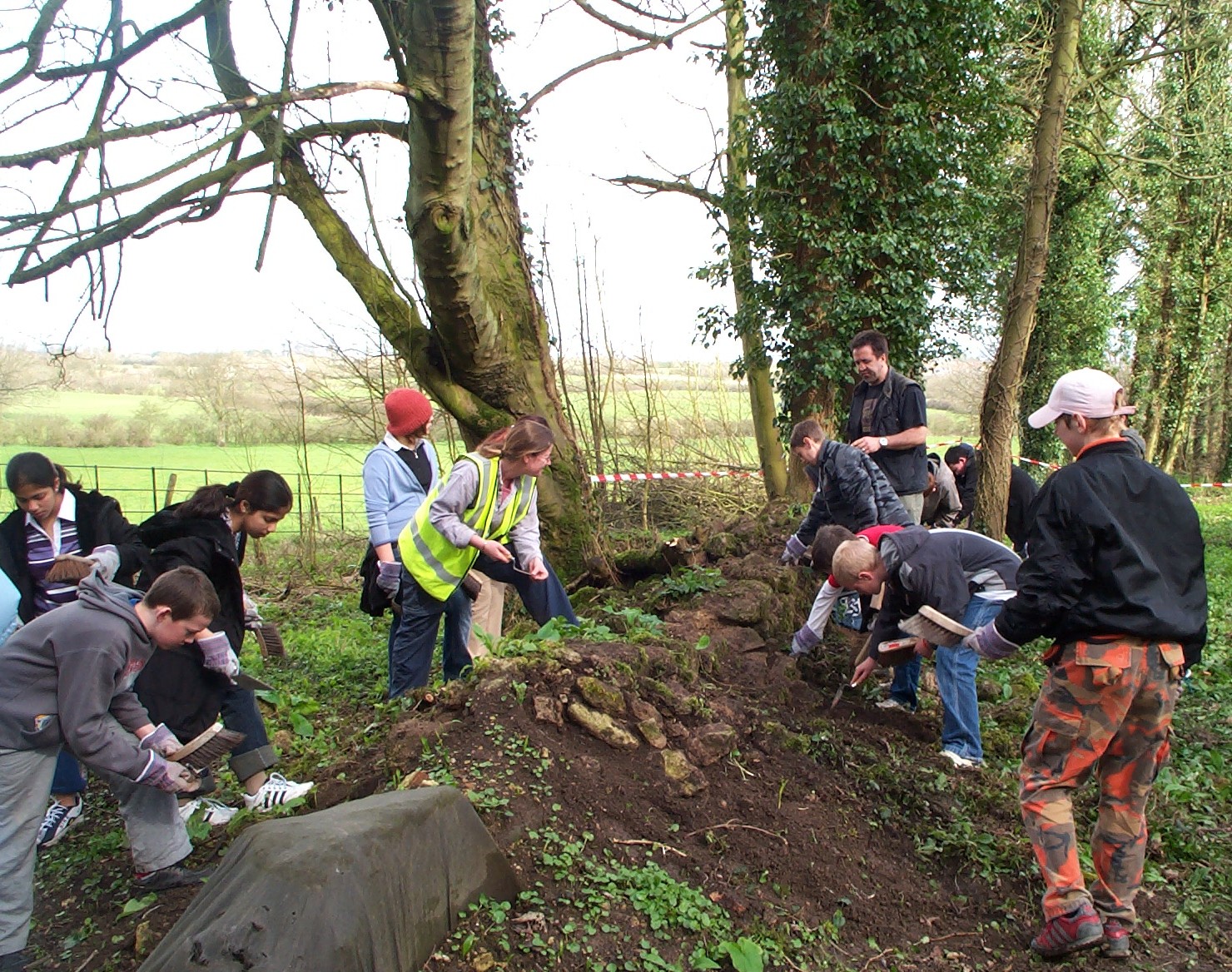
Outdoor conservation work demands practical kit, and the weather can change quickly. Pack for rain, wind and cold even if the forecast looks mild, and bring gloves that protect your hands from thorns and rough timber. The list below covers the items most often missed by first-time volunteers. Most of it can be carried in a single rucksack, which keeps the travel simple.
- Waterproof jacket and over-trousers, plus a spare warm layer for breaks.
- Sturdy boots with good grip, and a spare pair of socks.
- Gloves suited to brush cutting, hedge work or handling timber.
- A refillable water bottle, a packed lunch and a small snack.
- A small first aid kit, sun cream and insect repellent in season.
- Any personal medication, clearly labelled and carried with you.
- A charged phone with the emergency contact number saved.
Ask the organisation whether tools are provided and whether you need to bring any protective equipment of your own. Label your kit so that it does not get mixed up with other volunteers' belongings during the day. Leave valuables at your accommodation, since outdoor work is no place for expensive jewellery or a phone you cannot afford to lose.
Working Alongside the Friends Group
Volunteers often find that the Friends group is the heart of the site's community. Members plan events, maintain relationships with local people and help keep the grounds in good order between formal sessions. Working alongside them is one of the best ways to learn about the site's history and its current needs. Friends often have decades of knowledge about the grounds, and their stories give context to the work you are doing.
Respect the roles that others already hold. A volunteer who arrives with a clear idea of their skills and asks where they can help is more welcome than one who tries to change the plan on the first morning. Listen to the people who lead each session, and ask questions when you are unsure of a task or its purpose. A short note of thanks at the end of a session goes a long way, and it encourages people to return.
If you have skills that might help the group, such as photography, writing or basic accounts, mention them to the coordinator rather than starting a project on your own. Projects work best when they are agreed in advance and fit the wider plan for the site.
Fitting a Volunteer Day Into a Longer Trip
A volunteer day is tiring, particularly if it involves physical work outdoors. Build a rest day into a longer trip, and avoid planning a long drive or a demanding walk on the evening before a work session. Use the spare time to explore the city or the nearby countryside at a gentler pace, so that you arrive at the site rested and ready to work.
The working landscape page is a good introduction to the wider aims of the site, and it helps explain why certain tasks matter. The main site page gives an overview of the grounds and their history, which is useful background if you are travelling a long way and want to understand the place before you arrive. Reading both before your first session makes the work feel connected to a larger picture.
Keep a simple diary of each session, with the tasks you completed, anything you learned about the grounds and any questions you would like to ask next time. The diary is useful for your own reflection, and it gives the organisers feedback that can improve future sessions for everyone.
Frequently Asked Questions
Do I need previous experience to volunteer?
Many outdoor tasks need no formal experience, although some roles ask for particular skills. Ask the organisation what the role involves and whether any training is provided. Be honest about your fitness and experience so that you are matched to suitable work.
Can I volunteer for just one day?
Single-day opportunities may be possible, depending on the planned work and the organisation's arrangements. Ask well in advance, because the timing and supervision of volunteers can vary. A short visit is often a good way to decide whether a longer commitment would suit you.
Is accommodation provided for volunteers?
Do not assume that accommodation is provided. Ask the organisation directly, and plan your own booking if the answer is no. Guest houses and hotels in Sheffield and nearby villages are common options.
Is there a minimum age for volunteers?
Age requirements depend on the type of work and the organisation's safeguarding policy. Ask before you apply, and check whether a parent or guardian needs to give permission. Younger volunteers may need supervision for certain tasks.